
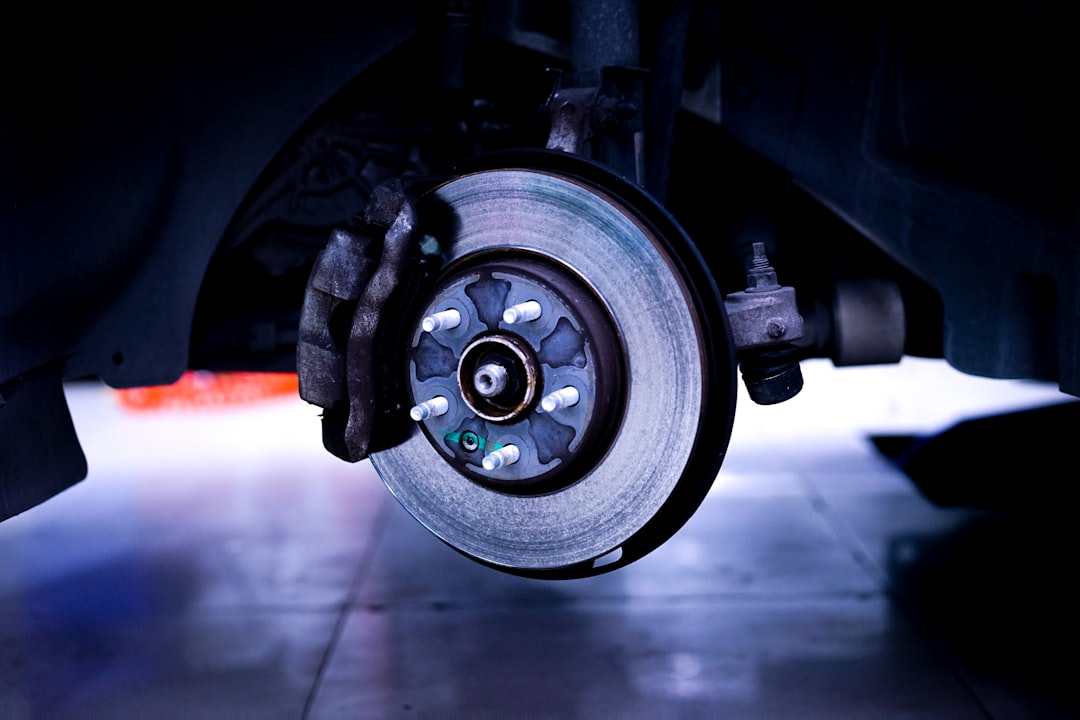
A steering-wheel shake, brake-pedal pulse or whole-car vibration during braking is a symptom, not a diagnosis. Rotor variation is one possibility, but a caliper, wheel, tire, hub, steering or suspension concern can feel similar.
The most useful detail is when the vibration happens. Note whether it appears only while braking, at one speed, after the brakes warm up, through the pedal, through the steering wheel or after a pothole impact.
Brake rotor thickness variation and runout
Brake pads squeeze the rotor as the wheel turns. If rotor thickness varies around its circumference, or the rotor and hub do not rotate in a consistent plane, braking force can rise and fall with each rotation. The driver may feel that as pedal pulsation or steering-wheel shake.
People often call this a “warped rotor,” but measurements matter more than the label. Rotor thickness, runout, surface condition, hub cleanliness and minimum specifications help determine whether the rotor is serviceable or whether replacement may be proposed.
Other causes that can overlap
- Caliper or pad movement: uneven contact, sticking hardware or uneven pad deposits can create pulsation or pulling.
- Wheel and tire concerns: imbalance, a bent wheel, tire damage or loose fasteners can create vibration that becomes more noticeable during braking.
- Steering and suspension wear: tie rods, ball joints, control-arm bushings or wheel bearings can allow movement under braking load.
- Road-impact damage: if the symptom began after a pothole, the tire, wheel, alignment and suspension may need to be considered with the brakes.
What an inspection may include
The appropriate checks depend on the vehicle and symptom. Ask what inspection scope and charges apply before authorizing work. Evaluation may include:
- Brake-pad thickness and wear pattern
- Rotor surface, thickness and runout measurements
- Caliper movement, hardware, hoses and fluid condition
- Wheel, tire, hub and bearing checks
- Steering and suspension checks when vibration or impact history points beyond the brakes
Ask the shop to explain which finding supports each proposed part. Rotor replacement, brake repair, wheel service, alignment or suspension work should follow the measurements and inspection—not the symptom name alone.
Related Chicago brake and suspension guides
- Grinding noise when braking
- Brake squeal, grind and thunk guide
- Brake-job cost factors
- Steering and suspension inspection in Chicago
Frequently Asked Questions
Why does my car shake when I brake?
Rotor thickness variation or runout is one possible cause. Caliper, wheel, tire, suspension or steering concerns can also contribute, so an inspection is needed to narrow the cause.
Is it safe to drive when my car shakes while braking?
Severity varies. If stopping power, pedal feel, steering or vehicle control changed, stop driving and arrange professional or towing guidance. Otherwise limit unnecessary driving and arrange prompt inspection.
Can a pothole cause braking vibration?
A pothole can damage a tire or wheel or affect steering, suspension or alignment. If vibration began after an impact, include those systems in the inspection scope.
Feeling a shake when you brake? Request an inspection.
SSS Auto Repair is at 2815 N Sheffield Ave in Chicago.
Need brake repair near Lincoln Park? SSS Auto Repair is on Sheffield Avenue near the Lake View and Lincoln Park border.
Book Appointment Call (773) 472-4444