
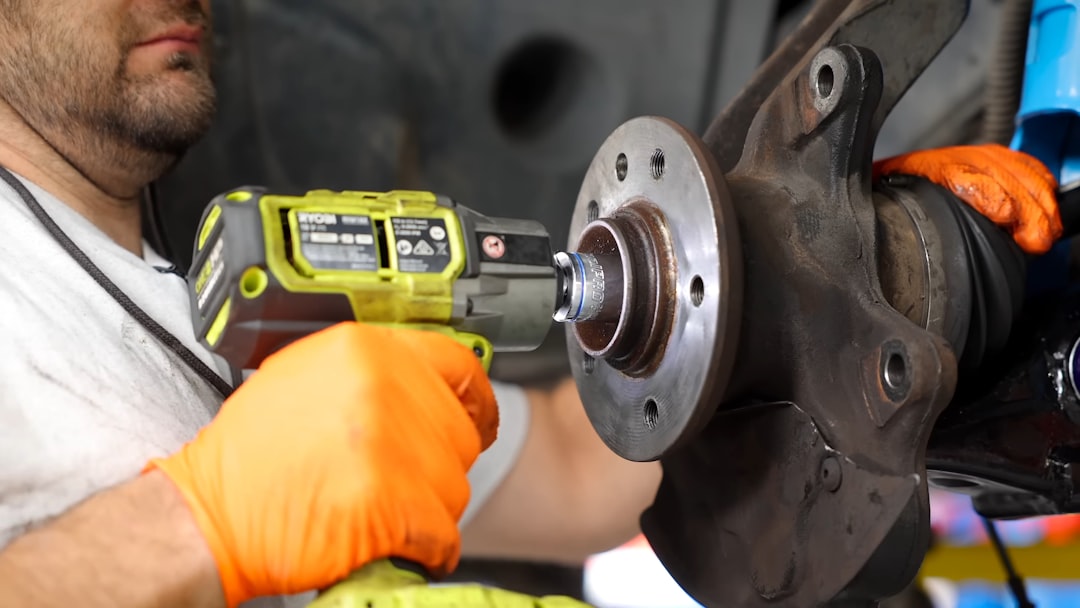
Electric and hybrid vehicles use regenerative braking, but they still have friction brakes with pads, rotors, calipers and hydraulic fluid. The regenerative system and friction brakes work together according to the vehicle design, driving conditions, battery state and driver input.
That means the right maintenance plan is vehicle-specific. Follow the owner's manual and manufacturer guidance, and call with the year, make and model before assuming a general brake-service procedure applies.
How regenerative braking changes wear
Regenerative braking uses the electric drive system to slow the vehicle and recover energy. When it supplies part of the deceleration, the friction brakes may be used less than on a comparable gasoline-only vehicle. Actual pad and rotor life still depends on the vehicle, route, climate, driving style and how the blended braking system is calibrated.
Regeneration does not replace the friction brakes. They are still needed for strong stops, low-speed stopping, parking, stability-control events and conditions in which regeneration is limited.
Low wear does not mean no inspection
Parts that are used lightly can still develop surface rust, corrosion or restricted movement. Chicago road salt, moisture and long parking periods can affect rotor surfaces, hardware and caliper movement. A technician should use inspection findings rather than mileage alone to decide whether cleaning, lubrication, adjustment or replacement is appropriate.
What an EV or hybrid brake inspection may cover
- Pad thickness and whether wear is even side to side
- Rotor surface and measurements compared with vehicle specifications
- Caliper, slide, hardware and parking-brake movement where applicable
- Visible hoses, hydraulic leaks and brake-fluid condition or manufacturer guidance
- Warning lights, stored faults or blended-braking concerns when relevant
High-voltage systems and model-specific service procedures can affect shop capability. Call with the exact vehicle before booking and ask what inspection scope and charges apply.
Brake fluid, software and manufacturer guidance
EVs and hybrids still use hydraulic brake fluid, but service intervals and testing instructions vary. Follow the vehicle manufacturer rather than a universal mileage rule. If the vehicle has a brake-system warning or unusual blended-braking feel, identify the warning message and conditions when it appears instead of clearing it before evaluation.
Questions to ask before authorizing service
- Does the shop service this exact year, make and model?
- What inspection or diagnostic charges apply?
- Which measurements or findings support the proposed work?
- Are model-specific procedures, scan functions or high-voltage precautions involved?
See our Chicago brake service, brake-noise guide and brake-job cost factors, then call to confirm current capability.
Frequently Asked Questions
Do electric cars need brake pads?
Yes. EVs still use friction brakes, although regenerative braking may reduce how often the pads and rotors are used. Follow the manufacturer's inspection and maintenance guidance.
Why can an EV need brake service if pad wear is low?
Lightly used pads, rotors and hardware can develop rust or restricted movement, especially with road-salt exposure. The needed service depends on vehicle-specific inspection findings.
Do hybrids and EVs still need brake fluid service?
They use hydraulic brake fluid. Follow the vehicle manufacturer's interval and testing guidance because requirements vary by model.
Drive an EV or hybrid? Confirm brake-service capability.
SSS Auto Repair is at 2815 N Sheffield Ave in Chicago.
Book Appointment Call (773) 472-4444