
Car Diagnostics in Chicago for Check Engine Lights & No-Starts
Warning light, no-start, stalling or electrical problem? Call with what the vehicle is doing and when the symptoms occur so we can discuss the appropriate diagnostic next step.
Have your year, make, model, warning lights and recent repair history ready. If the light is blinking, reduce driving and read our check engine light guidance.
Request findings • Ask about diagnostic charges • Current scheduling by phone
Car Diagnostics for Check Engine Lights, No-Start Issues & Drivability Problems
When a warning light comes on or a car will not start, testing may be needed beyond reading a stored trouble code. SSS Auto Repair on Sheffield Avenue handles diagnostic questions for Chicago drivers.
A trouble code is a starting point. Depending on the vehicle and symptoms, follow-up work may involve live data, component or circuit testing, and physical inspection.
Call with the vehicle details and symptoms to confirm current scheduling and the proposed diagnostic scope. Concerns may include:
- Check engine lights — solid or flashing
- ABS and brake warning lights
- Battery, alternator and charging system problems
- No-start and hard-start issues
- Rough idle, stalling and hesitation
- Electrical shorts, faulty sensors and module communication faults
Not sure whether you need a code scan or a full diagnosis? Read our free scan versus professional diagnostic guide. Ask about diagnostic charges before authorizing testing.
When Should You Get a Car Diagnostic?
Don't ignore these critical warning signs
Check Engine Light
The check engine light stays on, flashes or returns after being cleared; see our check-engine-light guidance
Performance Issues
Reduced power, poor acceleration, or rough idling
Poor Fuel Economy
Getting fewer miles per gallon than usual
Strange Noises
Unusual sounds like knocking, rattling, or whining
Dashboard Warnings
Any warning lights or messages on the dashboard
Loss of Power
A noticeable drop in engine power, acceleration, or response
Diagnostic Testing for Warning Lights, No-Starts & Drivability Problems
Diagnostic scope depends on the vehicle, symptoms and suspected causes. Ask what testing is proposed and what charges apply before authorizing work.
Ask Whether the Evaluation Includes:
- OBD-II scan or other vehicle-compatible testing
- Engine performance diagnostics
- Transmission and drivetrain diagnostics
- ABS and brake system diagnostics
- Airbag and safety system diagnostics
- Climate control system diagnostics
- Battery and charging system analysis
- Findings and next-step discussion
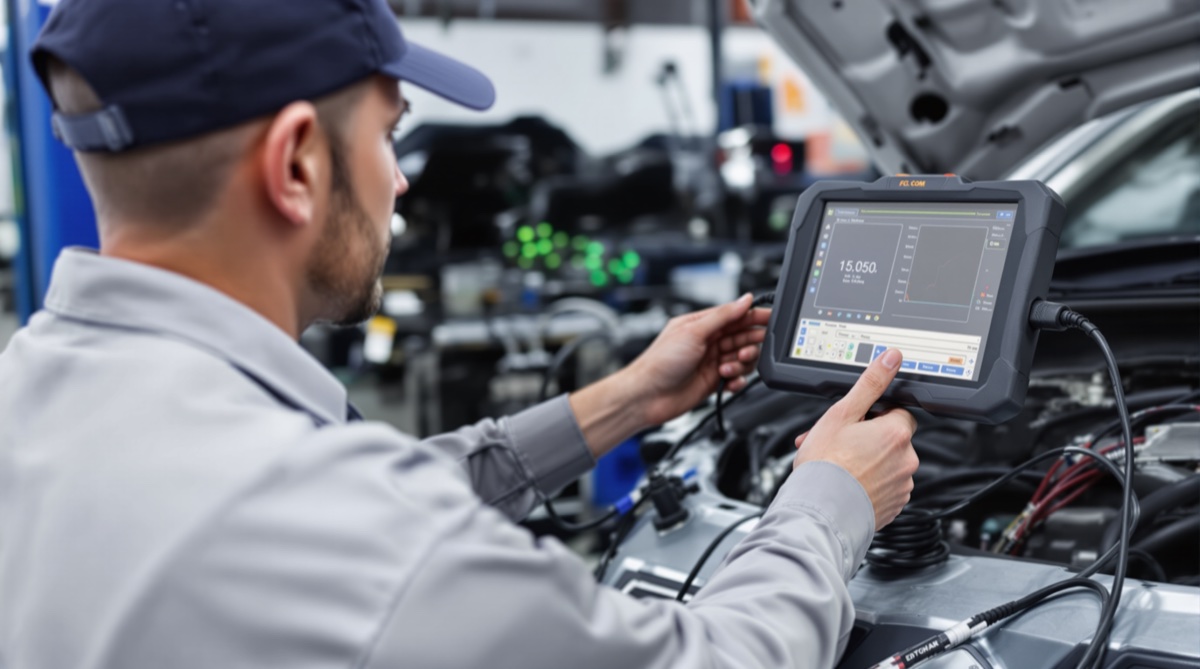
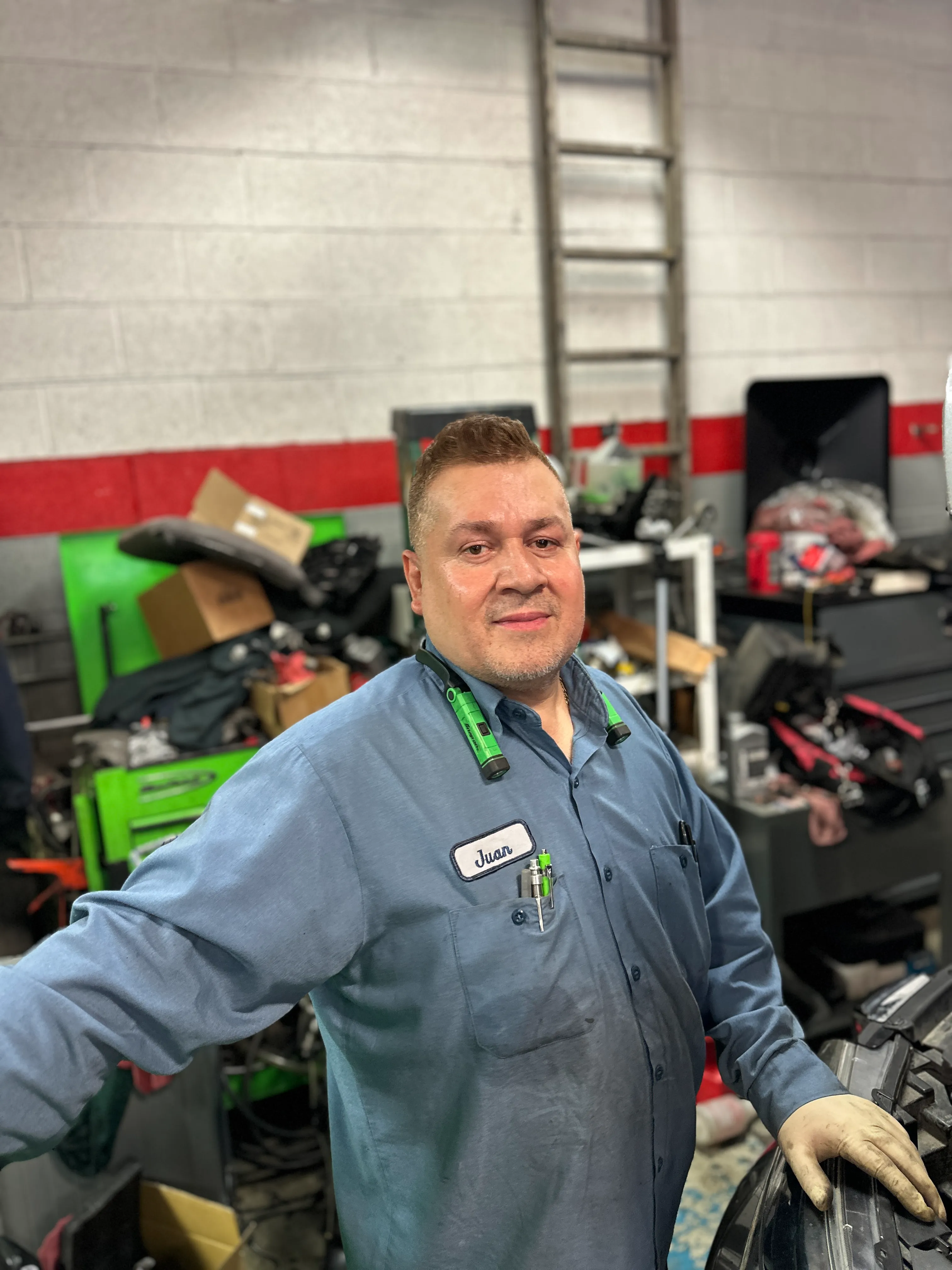
Diagnostic Testing on Sheffield Avenue
- Symptom review that goes beyond reading a stored code
- Scan data, live data, component, circuit or physical checks as appropriate
- Request the findings and an estimate before approving repairs
- 2815 N Sheffield Ave near Lake View and Lincoln Park
One code or symptom can have several causes. Ask what findings support the proposed repair before authorizing parts replacement.
Code Scan vs. Diagnostic Testing
A code scan retrieves stored trouble codes; vehicle-specific diagnosis may add live-data review, physical inspection, circuit checks or component testing to narrow possible causes.
Compare a free code scan with diagnostic testing, review diagnostic cost, scope and timing factors, or use the dedicated check engine light diagnostic page. To request testing, book a diagnostic appointment.
Before You Authorize Diagnostic Testing
Clarify the testing scope, charges, findings and next step
Describe the Symptoms
- Provide year, make and model
- Describe when symptoms occur
- Report warning lights
- Ask about current availability
- Ask about diagnostic charges
Review the Findings
- Ask what was inspected or tested
- Review stored codes and other findings
- Discuss remaining possible causes
- Ask whether more testing is proposed
- Request written findings if available
- Request a repair estimate
Authorize the Next Step
- Confirm the proposed repair scope
- Confirm proposed parts
- Confirm labor and estimate
- Ask about current repair terms
- Approve any changes separately
- Keep the approved estimate
Diagnostic charges depend on the vehicle, symptoms and testing required. Ask before authorizing work.
What Happens Between Reading a Code and Recommending a Repair?
Diagnostic work connects the reported symptom to evidence from the vehicle. The testing scope depends on the concern.
Define the Starting Point
For a no-start, note whether the engine turns over, clicks or stays silent. For a drivability problem, note cold versus warm operation and when it returns. Our clicking and no-start guide can help you describe the starting behavior before calling.
Keep the Code and Its Context
Record the exact code and any saved operating conditions, rather than only a suggested part name. A code identifies a detected fault, not automatically its cause. Our OBD-II code guide explains common code families and why follow-up testing matters.
Test the Possible Causes
Live data, circuit checks, component tests and physical inspection answer different questions. A sensor-related code may require checks of wiring or the system being monitored before replacing the sensor. Ask which test results support a repair and which possibilities still need investigation.
Agree on the Next Step
If an intermittent symptom cannot be reproduced, more testing may be proposed rather than a confirmed repair. Review what was found, what remains uncertain and the cost of the next authorized step. See questions to ask before approving diagnostic time.
Diagnostic Service FAQ
Common questions about car diagnostics and troubleshooting
What does the check engine light mean?
The check engine light means the vehicle computer stored a fault. A code identifies the affected system, but testing may be needed before the cause and repair scope can be confirmed.
How much does a car diagnostic cost?
Diagnostic scope and cost depend on the vehicle, symptoms and testing required. Ask about diagnostic charges and request a vehicle-specific estimate.
How long does a diagnostic take?
Diagnostic timing depends on the symptoms, tests required and current schedule. Ask for an expected timeframe before authorizing testing.
Can I drive with the check engine light on?
A flashing light, shaking, smoke, overheating or other severe symptoms can indicate an urgent problem. Reduce driving, move to a safe place when necessary and call to discuss whether inspection or towing is appropriate.
What can cause a no-start or intermittent problem?
A no-start or intermittent concern can involve the battery, charging system, starter, fuel, ignition, security system or wiring. Testing depends on the symptoms, vehicle and condition present during evaluation.
Is a car diagnostic different from a free code scan?
Yes. A code scan reads stored trouble codes; diagnosis may require live data, physical inspection or component testing. Ask about the proposed diagnostic scope and charges before authorizing testing. Read the full code-scan versus diagnostic guide.
Where can I get a car diagnostic near Lakeview or Lincoln Park?
SSS Auto Repair is at 2815 N Sheffield Ave, near the Lake View and Lincoln Park border. Call (773) 472-4444 to discuss current diagnostic scheduling.
What should I do if my car won't start?
A no-start can involve the battery, charging system, starter, fuel, ignition, security or wiring. Call with the symptoms and ask what testing is appropriate and whether the vehicle should be towed. See the battery, alternator and starter service page.
Do I need a diagnostic before replacing parts?
Testing can reduce guesswork because one code or symptom can have several causes. Ask what findings support the proposed repair before authorizing parts replacement.
Read about a solid or blinking check engine light. The shop is on Sheffield Avenue in Lake View, near Lincoln Park; see the nearby-area pages.
Schedule Car Diagnostic Testing in Chicago
Request diagnostic service and ask how testing scope, charges and findings will be communicated
Call (773) 472-4444 to confirm current hours
Convenient Chicago Location
Vehicle diagnostic information at the Sheffield Avenue shop near Lake View and Lincoln Park
2815 N Sheffield Ave, Chicago, IL 60657