
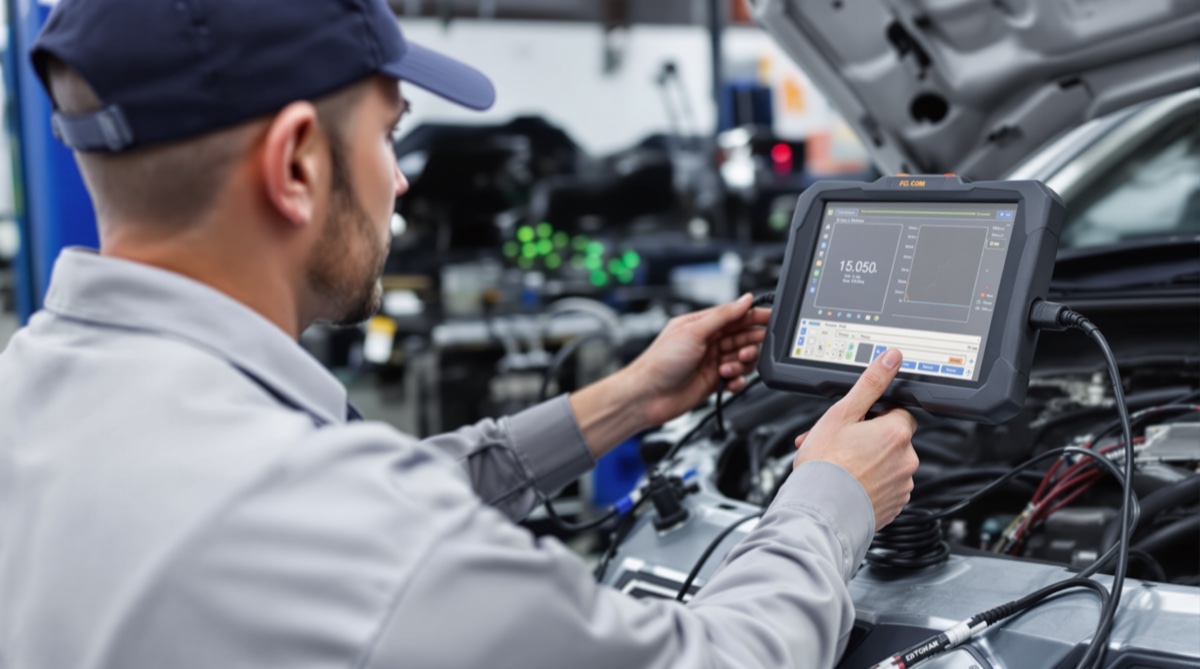
If an Illinois emissions test reports a failure, review the report before clearing codes or replacing parts. A code can have several causes, so vehicle-specific testing is needed before the repair scope is known.
How the Illinois OBD emissions test works
The Illinois EPA vehicle-emissions program says most 1996-and-newer gasoline passenger vehicles in covered areas are subject to inspection after they are four years old. The program generally tests even-model-year vehicles in even years and odd-model-year vehicles in odd years; confirm your own notice and current program rules.
For most affected passenger vehicles, the inspection uses the on-board diagnostic system to identify emissions-control malfunctions. The failure report and readiness-monitor status are the useful starting points; how the vehicle feels on the road does not by itself determine whether it will pass.
Reasons an OBD inspection may not pass
- An emissions-related fault is reported — codes can involve oxygen-sensor circuits, catalyst efficiency, EVAP operation, misfires or many other systems. A code identifies a system or condition, not the failed part.
- An EVAP-system concern is present — a loose or damaged fuel cap is one possibility, but leaks, valves, hoses, wiring and other causes can set similar codes.
- Readiness monitors are incomplete — this can happen after codes are cleared, the battery is disconnected or required self-check conditions have not yet occurred.
- A catalyst-efficiency code is stored — testing is needed before recommending a converter because exhaust leaks, sensor signals, misfires and fuel-control issues may overlap.
Do not clear codes just to hide the light. Clearing codes can reset readiness monitors without addressing the reported fault. Required drive conditions vary by vehicle, so follow vehicle-specific guidance and verify readiness before retesting.
The right way to get from FAIL to PASS
1. Diagnose the actual cause. The failure report tells you a code, but a code isn't a diagnosis — the same code can have several causes at very different prices. Ask about charges for diagnostic testing and request an estimate before authorizing work. See why a code scan is not the same as diagnosis.
2. Address the diagnosed cause. Whether testing points to a sensor, EVAP leak, electrical fault or converter concern, request the findings and estimate before authorizing work.
3. Verify monitor readiness. Drive-cycle requirements vary by vehicle. Ask how to check readiness before returning to a state testing station, and confirm the current testing location and program rules with Illinois EPA.
What if the repair is expensive?
Illinois program options can include exemptions, extensions or waivers for qualifying situations. Eligibility and documentation requirements can change, so confirm the current rules with the official program before planning around one. Ask the repair shop for the diagnosis, proposed work, estimate and documentation before authorizing service.
Getting it handled on the North Side
SSS Auto Repair is at 2815 N Sheffield Ave in Chicago. Call before visiting to discuss diagnostic charges, vehicle access, current scheduling and the estimate process.
Frequently Asked Questions
Why did my car fail the emissions test when it runs fine?
A vehicle can seem to run normally while its OBD system reports an emissions-control fault or incomplete readiness monitors. Start with the failure report and current Illinois program guidance.
Can I just clear the check engine light before the test?
Clearing codes can reset readiness monitors. Diagnose the reported concern, follow vehicle-specific readiness guidance and verify monitor status before retesting.
How much does it cost to fix an emissions failure?
It depends on the cause, vehicle and testing required. Ask about diagnostic charges and request a vehicle-specific estimate before authorizing work.
Is the retest free?
Testing fees and retest rules can change. Confirm current requirements with the official Illinois vehicle-emissions program before visiting a station.
Failed your emissions test?
Request vehicle-specific diagnosis and confirm readiness before returning to a testing station.
Book a Diagnostic Call (773) 472-4444