
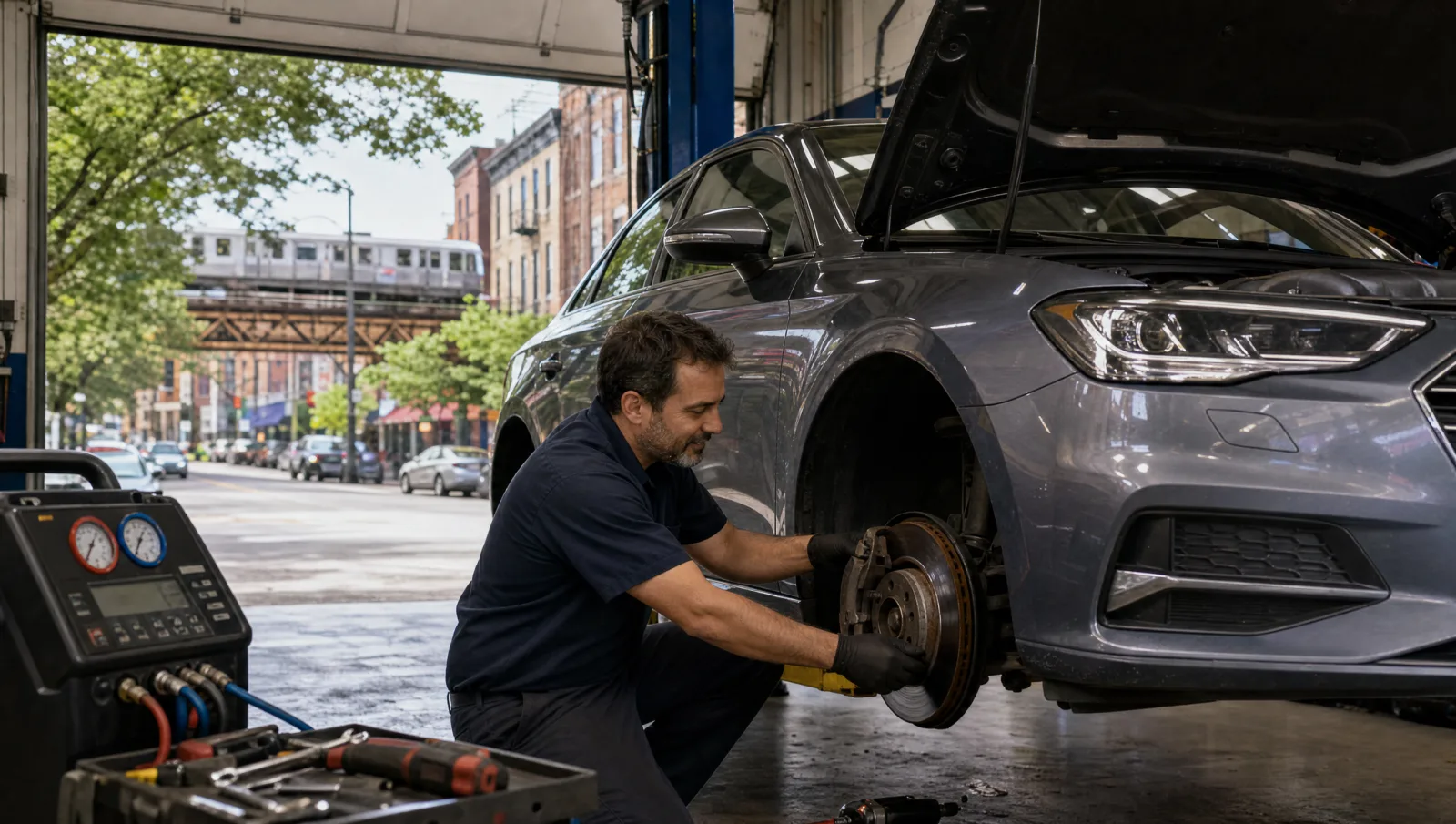
Car Trouble in Chicago? A Lakeview & Wrigleyville Driver’s Guide to Brakes, Check Engine Lights, AC Problems and Same-Day Repairs

By SSS Auto Repair Team · June 18, 2026
13 min read

Car trouble rarely shows up at a convenient time. It happens while you are trying to get to work, leaving a grocery run on Ashland, heading toward Lake Shore Drive, or sitting in game-day traffic near Wrigleyville. One minute the car feels normal; the next you hear grinding brakes, see a check engine light, notice warm air from the vents, or realize the vehicle needs attention today—not next week.

This guide is written for Chicago drivers who need to make a smart decision fast. It explains which symptoms are urgent, which ones can usually wait for a scheduled appointment, and how to talk to a mechanic so you get a useful answer instead of a vague guess. If you already know you need quick help, SSS Auto Repair offers same-day repair options when schedule, diagnosis and parts availability allow.

First: Is Your Car Safe to Drive?

Before thinking about price or convenience, decide whether the vehicle should be driven at all. Online guidance can help you triage symptoms, but it cannot replace an in-person inspection by a qualified technician. When in doubt, call the shop, describe the symptoms clearly, and ask whether driving in is reasonable or whether towing is safer.

Pull over and stop driving if you notice these signs

  • The brake pedal sinks, feels spongy, or the vehicle does not stop normally.
  • You hear grinding from the wheels when braking or the car pulls hard to one side.
  • The check engine light is flashing, especially if the engine shakes or loses power.
  • The temperature gauge climbs, steam appears, or you smell burning coolant or oil.
  • You lose steering assist, charging system function, or any major safety system.

A flashing check engine light can indicate an active misfire that may damage the catalytic converter. Reduce driving and arrange a professional diagnostic visit for a check engine light as soon as possible.

Symptoms that may be drivable but should be checked soon

A solid check engine light, mild brake squeak, weak AC, intermittent vibration, or a small fluid smell may not require panic, but none should be ignored. Chicago traffic and short trips can turn small issues into expensive repairs because the car rarely gets an easy highway cycle to clear moisture, heat and carbon buildup.

If the car feels normal, you can often schedule an inspection. If the symptom gets worse, changes suddenly, or affects braking, steering, cooling, visibility or engine performance, treat it as urgent.

Brake Problems Chicago Drivers Should Not Ignore

Brakes take a beating in Lakeview, Wrigleyville and the rest of the North Side. Stop-and-go traffic, tight parking, winter moisture, road salt and short trips all increase wear. A small squeak can be harmless, but grinding, pulsation or a low pedal can signal a safety problem.

Common brake symptoms and what they suggest

  • Squealing may come from wear indicators, glazed pads or moisture.
  • Grinding can mean pad material is gone and metal is contacting the rotor.
  • A shaking steering wheel during braking can point to rotor variation, uneven pad deposits or suspension wear.
  • A soft pedal may involve air, fluid leaks or hydraulic issues.
  • Pulling while braking can be caused by calipers, tires, suspension or uneven friction.

If your brakes feel unsafe, the pedal sinks, the car pulls hard, or you hear grinding, avoid driving and arrange service or towing. For less severe symptoms, schedule a brake inspection before the problem damages more parts. Drivers searching for help nearby can start with SSS Auto Repair’s brake inspection and repair page.

Why brake inspections beat guessing

A proper brake inspection looks at more than pads. The technician checks pad thickness, rotor condition, caliper movement, brake hoses, fluid condition and hardware. That matters because replacing pads alone does not fix a sticking caliper or a hydraulic problem. The goal is to identify what is unsafe now, what is wearing normally, and what can wait.

Check Engine Light: Solid, Flashing, or Intermittent?

The check engine light is one of the most misunderstood warnings on the dashboard. A parts-store code scan can be useful as a starting point, but a code is not a diagnosis. The same oxygen sensor code, for example, might be caused by a sensor, an exhaust leak, wiring, fuel trim issue or misfire upstream.

Solid light

A solid check engine light usually means the vehicle’s computer found a fault and stored a diagnostic trouble code. If the car drives normally, schedule diagnostic service soon. Waiting can reduce fuel economy, create emissions problems, or allow a small fault to trigger other issues.

Flashing light

A flashing light is more urgent. It often indicates a misfire severe enough to risk catalyst damage. If the engine is shaking, power is down, or the light flashes under acceleration, reduce driving and call for guidance.

What to tell the mechanic

  • When the light came on and whether it is solid or flashing.
  • Whether the car shakes, hesitates, smells like fuel, or loses power.
  • Recent fueling, repairs, battery replacement or weather changes.
  • Vehicle year, make, model and approximate mileage.

Clear symptom details help the technician choose the right tests instead of wasting time. That is the difference between code reading and real diagnostics.

AC Problems: Comfort, Visibility, and Summer Reliability

Car AC repair is not just about comfort. In Chicago summer traffic, a weak AC system can make commuting miserable. In wet or cold weather, the AC system also helps defog windows, so poor performance can become a visibility issue.

Common AC warning signs

  • Warm air from the vents even when set to cold.
  • Air cools only while driving, not at idle.
  • Weak airflow or musty odors from the vents.
  • Clicking, grinding or repeated compressor cycling.
  • Windows fog easily because the system is not drying air well.

Low refrigerant often means there is a leak. A quick recharge may cool briefly, but if the leak remains, the problem comes back. A careful AC inspection checks pressures, leaks, compressor operation, fans, electrical controls and airflow. If your vents blow warm, the right next step is car AC repair in Chicago that tests the system before quoting the fix.

When Same-Day Auto Repair Makes Sense

Same-day service is best for problems that can be inspected, diagnosed and repaired with available parts in a reasonable window. It is not a magic promise for every repair, but it is extremely useful when you need to know whether the vehicle is safe, what the repair path looks like, and whether a quick fix is possible.

Problems often suitable for same-day attention

  • Brake inspections and many pad/rotor repairs.
  • Battery, starter or charging complaints.
  • Check engine light diagnostics.
  • Fluid leak inspections.
  • AC performance checks.
  • Pre-trip inspections and common maintenance services.

Problems that may take longer

Major engine work, complex electrical faults, transmission problems, severe overheating damage and repairs requiring special-order parts can take longer. A trustworthy shop will tell you that upfront. Same-day availability is about getting the car evaluated quickly and completing work when the diagnosis and parts make that realistic.

Finding a Mechanic Near Lakeview or Wrigleyville

Location matters when a vehicle is acting up. A nearby shop makes drop-off easier, reduces towing distance, and helps you avoid driving a questionable car across town. SSS Auto Repair is located at 2815 N Sheffield Ave, convenient for North Side drivers around Lakeview, Wrigleyville and Lincoln Park.

If you want a local option close to home or work, use pages like our Lakeview-area mechanic guide and mechanic near Wrigleyville page to match the issue with the right next step. The best local mechanic is not just nearby; it is a shop that explains findings, gives written estimates and separates urgent safety work from maintenance that can be planned.

Quick Symptom Guide for Chicago Drivers

My brakes squeak

Light squeaks can come from moisture, pad material or wear indicators. Grinding, reduced stopping power or a low pedal is different: stop driving and arrange inspection.

My check engine light came on

If it is solid and the car feels normal, book diagnostics soon. If it flashes or the engine runs rough, reduce driving and call a mechanic.

My AC blows warm

A leak, compressor issue, electrical fault or airflow problem could be involved. Testing prevents paying for a recharge that does not hold.

My car shakes when braking

Brake rotor variation, uneven pad deposits, tire issues and suspension wear can overlap. A road test and wheel/brake inspection help isolate the cause.

I need the car fixed today

Call with the vehicle details, symptoms, dashboard lights and when the issue started. The shop can tell you whether to drive in, tow, or book the next available appointment.

What to Do Before You Call the Shop

The fastest repair conversations start with clear details. You do not need to diagnose the car yourself, but you can help the technician understand what happened. Write down when the symptom started, whether it happens cold or warm, whether it changes with speed, braking, turning or acceleration, and whether any warning lights appeared. If a sound is involved, note whether it is a squeal, grind, clunk, click, hiss or hum.

For a check engine light, mention whether it is solid or flashing. For brakes, describe pedal feel and whether the vehicle pulls or shakes. For AC, describe whether the air is warm all the time, cold only while driving, or weak from certain vents. For a no-start, listen for a single click, rapid clicking, slow cranking or complete silence. These details do not replace testing, but they guide the first inspection and can save time.

Also gather the year, make, model and approximate mileage. If the vehicle was recently serviced, jump-started, filled with gas, driven through deep water, or hit a pothole, say so. Small timeline clues often explain why a symptom showed up now.

Quick call script: “I drive a [year/make/model]. The issue started [when]. The main symptom is [sound/light/smell/behavior]. It happens [when driving/braking/idling/turning]. The car feels [safe/unsafe] to drive. Can I bring it in today, or should I tow it?”

How Chicago Driving Changes Repair Urgency

A driver in a spread-out suburb may be able to monitor a minor symptom for a little while. In the city, the same symptom can become more stressful because you are constantly braking, idling, parking, and crawling through traffic. Lakeview and Wrigleyville driving puts extra heat into brakes and cooling systems. Potholes can turn a small suspension noise into a tire or alignment problem. Winter salt can make electrical connectors, brake hardware and exhaust components age faster.

That does not mean every noise is an emergency. It means the context matters. If the vehicle is your only transportation, if you drive rideshare or delivery, or if you regularly travel with kids, it is often cheaper and safer to inspect symptoms early. A quick diagnostic visit can separate a low-cost maintenance item from a problem that should not be driven another week.

For example, a faint squeak after overnight rain might be normal surface rust on rotors. A grinding sound every time you stop is not. A solid check engine light with no drivability issue may be scheduled soon. A flashing check engine light with shaking should be handled immediately. Warm AC in spring is annoying; warm AC in July traffic can become a daily problem fast.

What a Good Repair Estimate Should Include

Once the vehicle is inspected, the estimate should be understandable. A good shop should explain what was found, why the repair is recommended, what parts are involved, and whether anything is safety-critical. You should know the difference between “needs attention now,” “recommended soon,” and “monitor for later.” That distinction helps you make a practical decision instead of feeling pressured.

For brakes, the estimate might separate pads and rotors from calipers or fluid service. For diagnostics, it should explain the tested cause rather than only listing a code. For AC, it should identify whether the system needs leak repair, compressor work, electrical testing or a recharge after proper evacuation. For same-day repairs, the shop should also be clear about parts availability and whether the repair can realistically be finished that day.

The cheapest estimate is not always the lowest-cost outcome if it skips the cause. Replacing a part without testing can lead to repeat visits. The best value is a repair that solves the complaint, protects safety, and gives you a realistic plan for anything else the vehicle needs.

When a Small Symptom Becomes Expensive

The reason mechanics push early inspection is not scare tactics; it is because many systems damage neighboring parts when they are ignored. Thin brake pads can ruin rotors. A misfire can damage a catalytic converter. Low refrigerant can allow an AC compressor to run under poor conditions. A weak battery can create confusing electrical symptoms that hide the original problem.

Chicago driving makes that domino effect more likely because the car spends so much time braking, idling and absorbing pothole impacts. If a symptom repeats, gets louder, appears with a warning light, or affects safety, treat it as the car asking for attention. The least expensive repair is usually the one handled before it becomes a chain reaction.

Why Local Diagnostics Beat Guesswork

Chicago cars live a specific life: potholes, winter salt, tight parking, stop-and-go heat, short trips and sharp temperature swings. Those conditions affect brakes, batteries, suspension, AC systems, wiring and emissions components. A generic guess from an online forum does not see the vehicle in front of it.

Good diagnostics prioritize evidence. A technician listens to the symptom, checks the vehicle, verifies the problem, tests related systems, and explains what the findings mean. That approach helps you spend money on the repair that actually solves the issue.

Safety reminder: if warning lights appear with overheating, burning smells, brake loss, severe shaking, or a flashing check engine light, pull over safely and do not continue driving until you get guidance.

Frequently Asked Questions

Can I drive with grinding brakes?

Grinding brakes can mean the pad material is gone and metal is contacting the rotor. Avoid driving if stopping feels unsafe, the pedal sinks, or the vehicle pulls hard. Arrange inspection or towing.

Is a flashing check engine light an emergency?

A flashing check engine light can indicate an active misfire that may damage the catalytic converter. Reduce driving and get the vehicle diagnosed promptly.

Is same-day auto repair always possible?

Same-day service depends on the diagnosis, parts availability and the shop schedule. Many inspections and common repairs can be handled quickly, but complex issues may take longer.

Why is my car AC blowing warm air?

Warm AC can come from low refrigerant, leaks, compressor issues, fan problems, electrical faults or airflow restrictions. Testing is needed before confirming the repair.

Where is SSS Auto Repair located?

SSS Auto Repair is at 2815 N Sheffield Ave in Chicago, convenient for Lakeview, Wrigleyville, Lincoln Park and nearby North Side neighborhoods.

Need honest auto repair on Chicago’s North Side?

SSS Auto Repair is at 2815 N Sheffield Ave, convenient for Lakeview, Wrigleyville, Lincoln Park and nearby neighborhoods. Call before driving if the vehicle feels unsafe.

Call (773) 472-4444Book Appointment