
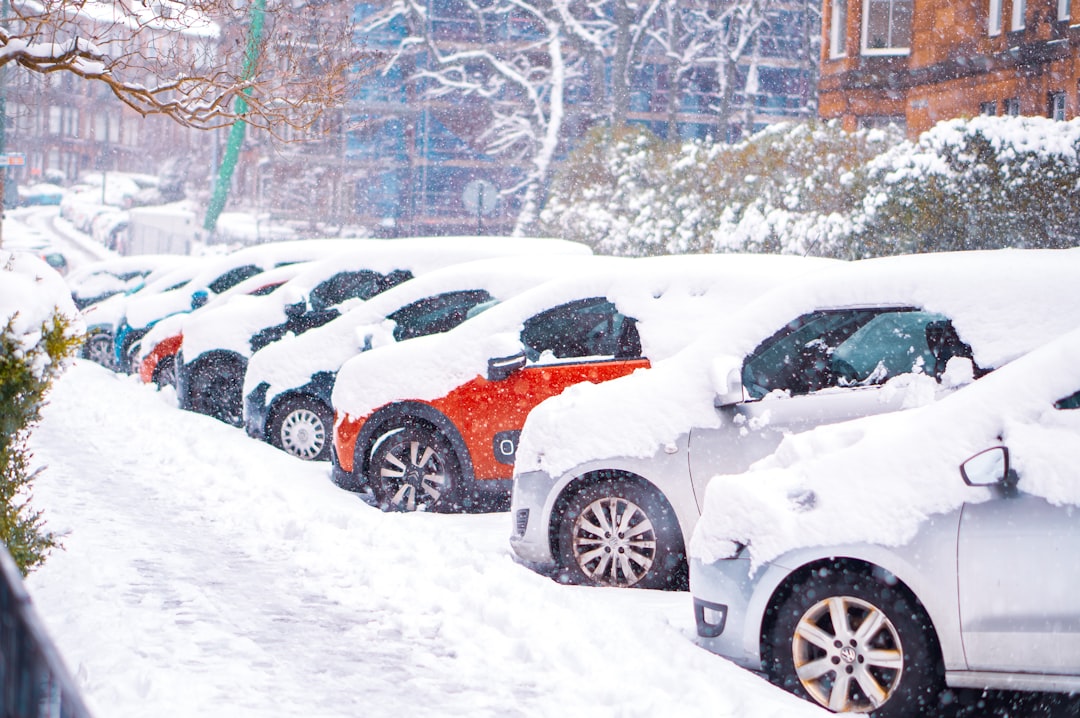
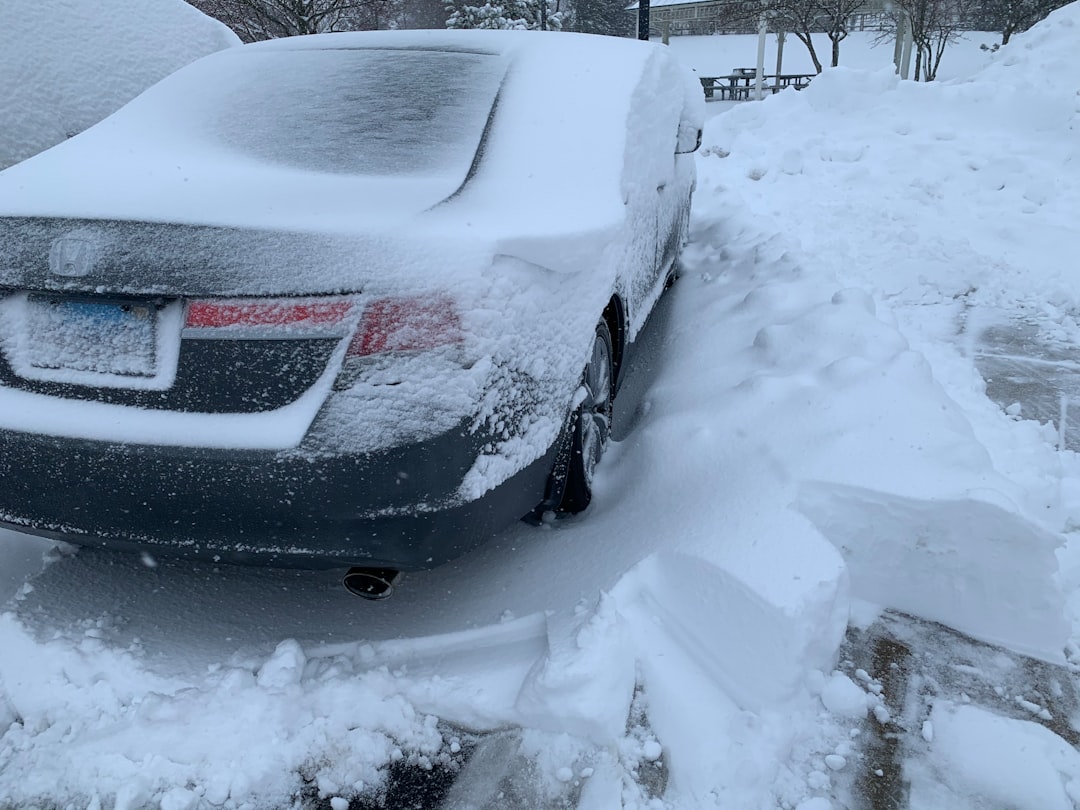
Clear snow around the vehicle and tailpipe before moving or running the engine.
What to Keep in a Chicago Winter Car Kit
A useful emergency kit should help you stay visible, warm and able to communicate. Store it where you can reach it without standing in traffic. Check the kit each fall and replace expired food, batteries and medications.
- Visibility: reflective warning triangles, a bright flashlight and spare batteries
- Snow and traction: an ice scraper, compact snow shovel and a small bag of traction material
- Warmth: blankets, gloves, a hat, dry socks and an extra outer layer
- Communication: a charged power bank, phone cable and written emergency contact numbers
- Basic supplies: first-aid kit, bottled water and shelf-stable snacks
- Vehicle support: jumper cables or a jump pack, tire-pressure gauge and portable inflator
Keep the vehicle's owner manual with the kit. Jump-start points, towing procedures and jack locations vary by vehicle, especially on hybrids and vehicles with batteries mounted outside the engine compartment.
What to Do if Your Car Becomes Stranded
1. Get out of the traffic path if the vehicle can move
Signal early, reduce speed gradually and move to a parking area or as far from moving traffic as conditions safely allow. Turn on the hazard lights. If the car cannot move and is exposed to traffic, call 911 and follow the dispatcher's instructions.
2. Stay with the vehicle during dangerous weather
A parked vehicle provides shelter and is easier for responders to locate than a person walking through snow or low visibility. Stay belted when stopped near traffic. Leave the vehicle only when remaining inside creates a greater danger or emergency personnel direct you to move.
3. Prevent carbon-monoxide buildup
Before running the engine for heat, make sure snow is not blocking the exhaust pipe. Run the engine only as needed, crack a window slightly on the side away from the wind, and check that drifting snow has not covered the tailpipe again. Never use a grill, candle or other open-flame heater inside the vehicle.
4. Conserve power, fuel and heat
Send your location and situation to a trusted contact, then reduce unnecessary phone use. Turn off interior lights and accessories when the engine is not running. Put on extra clothing before you become cold, and move your hands and feet periodically without overexerting yourself.
Cold-Weather Battery and Starting Problems
Cold weather slows battery chemistry while the engine needs more power to turn. Slow cranking, dim lights or repeated clicking are signs to stop trying before the battery is completely discharged. Confirm that lights and accessories are off, wait briefly, and try once more. If the engine still does not start, use roadside assistance or follow the exact jump-start procedure in the owner's manual.
Do not continue cranking a vehicle that starts and immediately stalls, smells strongly of fuel, shows warning messages you do not recognize, or has damaged battery cables. A battery test can separate a discharged battery from charging-system or starter problems. See our Chicago battery replacement guide for common warning signs.
If You Slide, Get Stuck or Have a Flat
Avoid spinning the tires continuously; it can dig the vehicle deeper into snow and overheat drivetrain components. Clear snow from around the driven wheels, straighten the steering wheel and apply power gently. Use traction material if it can be placed without entering traffic.
Do not change a tire on a narrow or snow-covered traffic shoulder. Hazard lights and reflective triangles improve visibility, but they do not make an exposed roadside repair safe. Call for roadside help and remain protected inside the vehicle when conditions are unsafe.
Prevent the Emergency Before the Next Storm
This article focuses on what to do when something goes wrong. For the preventive side—battery testing, tire tread, fluid condition, wipers, lights and cold-weather maintenance—use our separate Chicago winter vehicle-preparation checklist. Keeping those two plans separate makes it easier to prepare the car and the people riding in it.
Before a winter trip, check the forecast, tell someone your route, keep the fuel level comfortably above empty and confirm that the phone and power bank are charged. Preparation may make a cold-weather delay easier to manage.
Get the Car Checked Before the Next Cold Snap
Call SSS Auto Repair to ask whether a vehicle-specific winter inspection is available, what it covers, which charges apply and how current scheduling looks.
Schedule a Winter InspectionCall us at (773) 472-4444 or visit our shop at 2815 N Sheffield Ave, Chicago, IL 60657-5003