
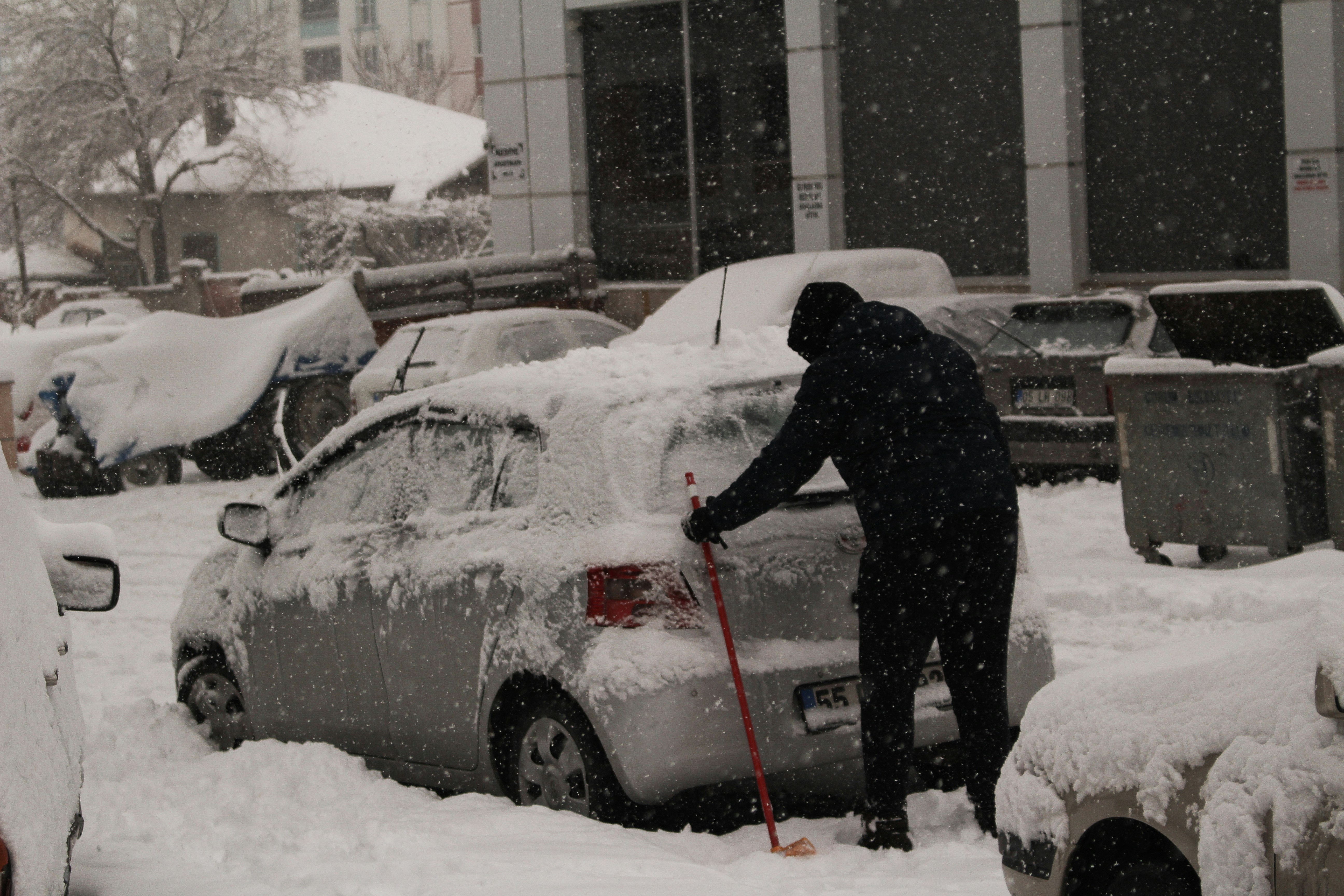
Chicago winters bring freezing temperatures, snow, ice, and road salt that can affect batteries, tires, fluids, and other vehicle systems. Practical winter preparation can reduce the risk of a breakdown and help you spot service needs earlier.
Don't wait until the first snowstorm hits. Use this comprehensive checklist to get your car winter-ready:
1. Battery Check and Maintenance
Cold weather is hard on car batteries and reduces available output. If the battery is older or shows slow cranking, arrange testing; replacement should depend on vehicle specifications, condition and test results.
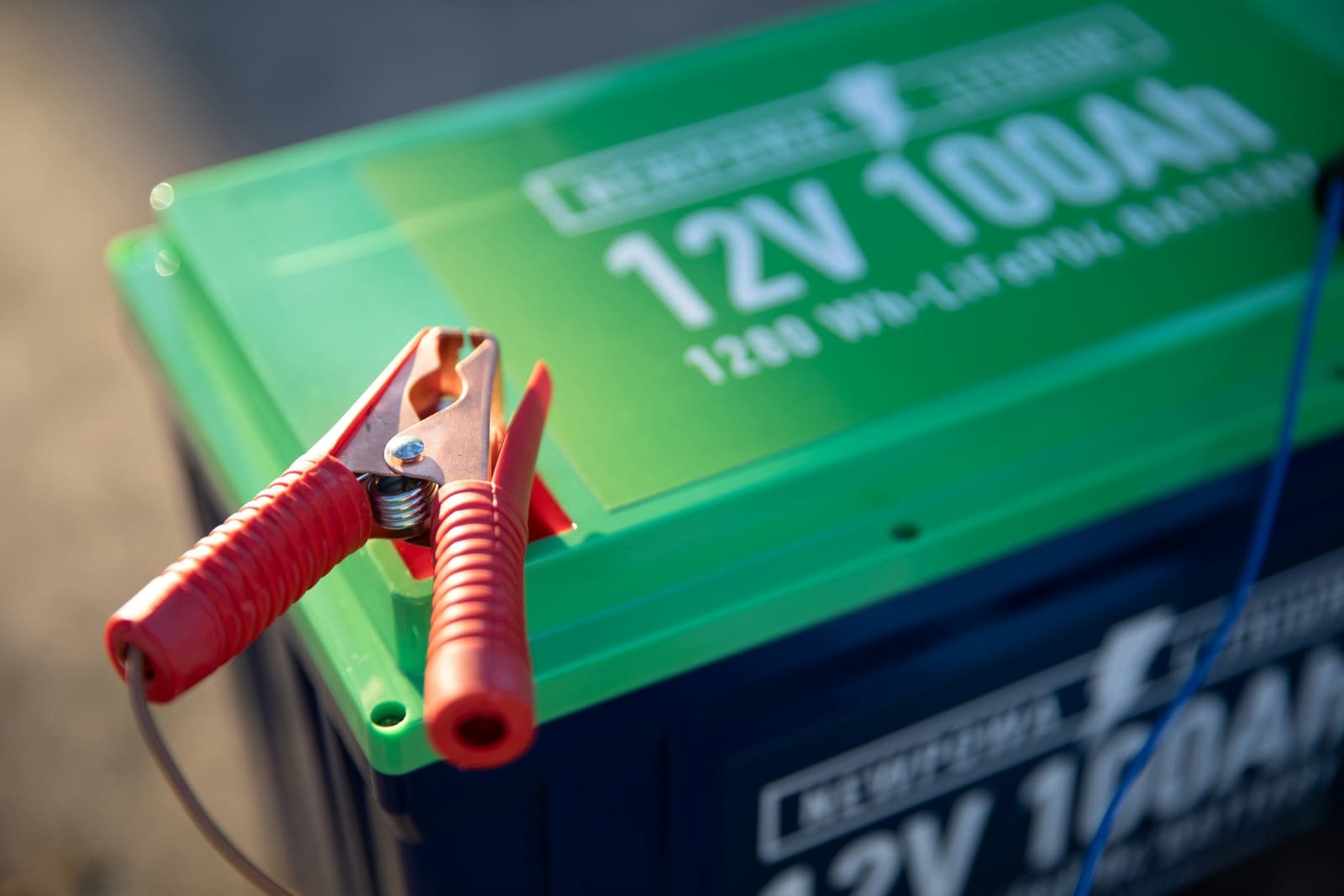
Battery testing helps confirm reliable cold-weather starting before Chicago temperatures drop
2. Antifreeze/Coolant System Inspection
Proper coolant level, type and concentration are important in freezing conditions. Follow the vehicle manufacturer's specification and ask what a cooling-system inspection or service covers before authorizing work.
3. Winter Tire Installation
Winter-tire needs depend on the vehicle, tire ratings and driving conditions. Call with the tire size and vehicle details to confirm whether mounting or balancing service is currently available.
Use only traction devices permitted by current local rules and compatible with the vehicle, wheel and tire clearances; follow the owner's manual.
4. Brake System Inspection
Brakes are critical in winter conditions. Depending on the vehicle and symptoms, a winter brake inspection may consider pads, rotors, calipers, fluid and related hardware; ask what is included and whether charges apply.
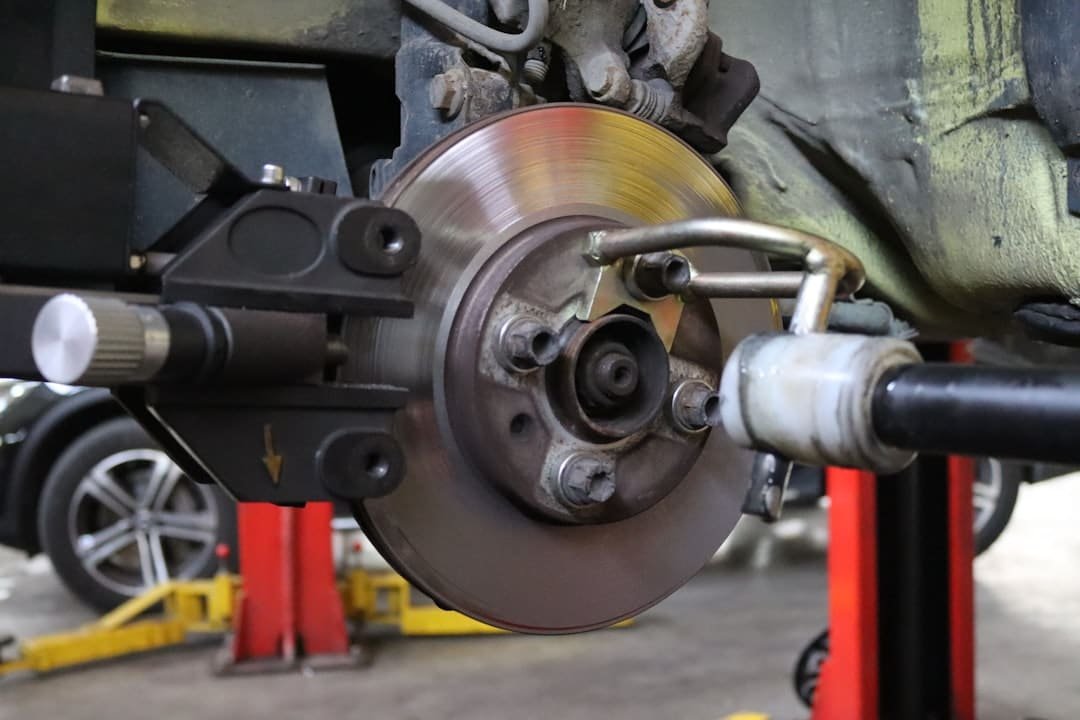
Brake inspection can identify wear or fluid concerns before winter driving
5. Wiper Blades and Washer Fluid
Replace worn wiper blades and use washer fluid rated for the expected temperature, following the product label and vehicle guidance.
6. Heating and Defrosting Systems
Confirm the heater and defroster operate before cold weather. If performance is weak, ask which HVAC checks are appropriate and what diagnostic charges apply.
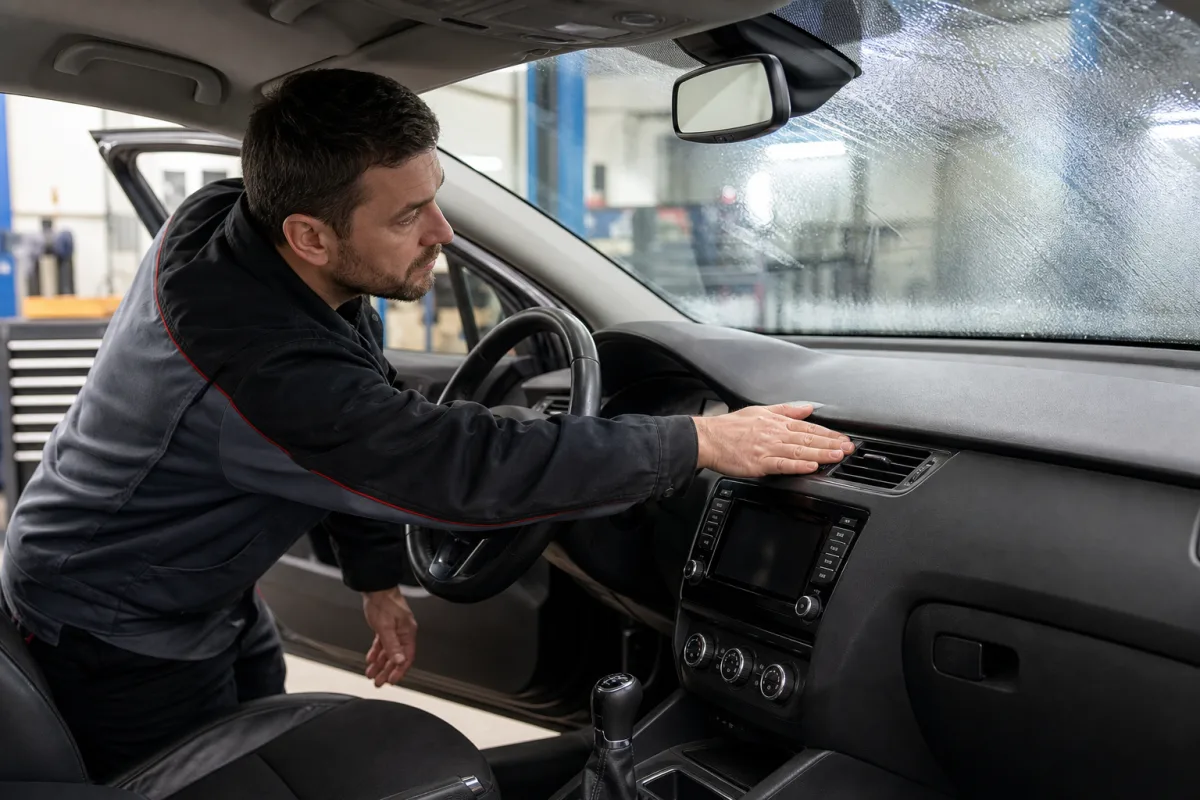
Testing the heater and windshield defroster helps maintain comfort and clear visibility in freezing weather
7. Emergency Kit Preparation
Every Chicago driver should have a winter emergency kit including: ice scraper, snow brush, flashlight, blankets, snacks, water, first aid kit, jumper cables, and a bag of sand or cat litter for traction.
8. Fluid Level Checks
Use only the fluid types and viscosity specified for the vehicle. A low brake-fluid level or a recurring drop in any fluid should be inspected for wear or leakage rather than repeatedly topped off.
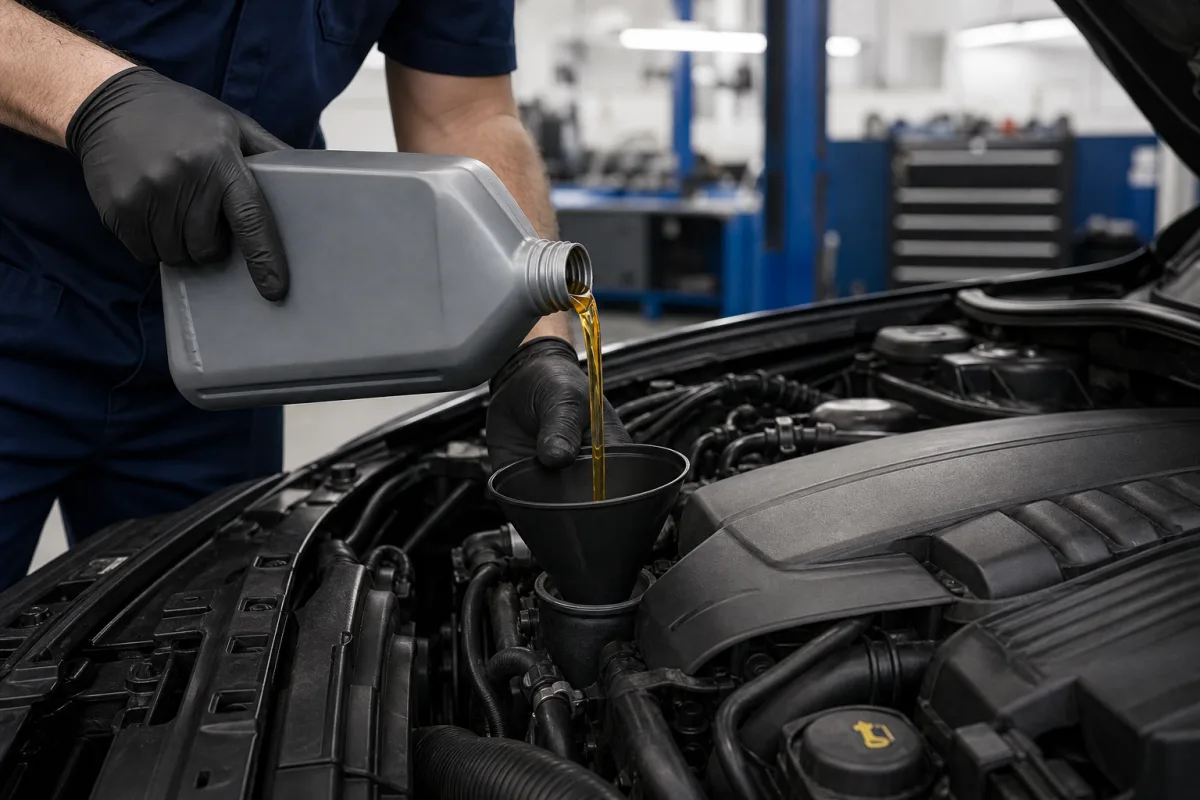
Use the vehicle-specified oil and fluids, and investigate an unexplained low level.
9. Tire Pressure Monitoring
Tire pressure changes with temperature. Check it regularly when the tires are cold and use the pressure on the vehicle placard or in the owner's manual—not the maximum molded into the tire sidewall.
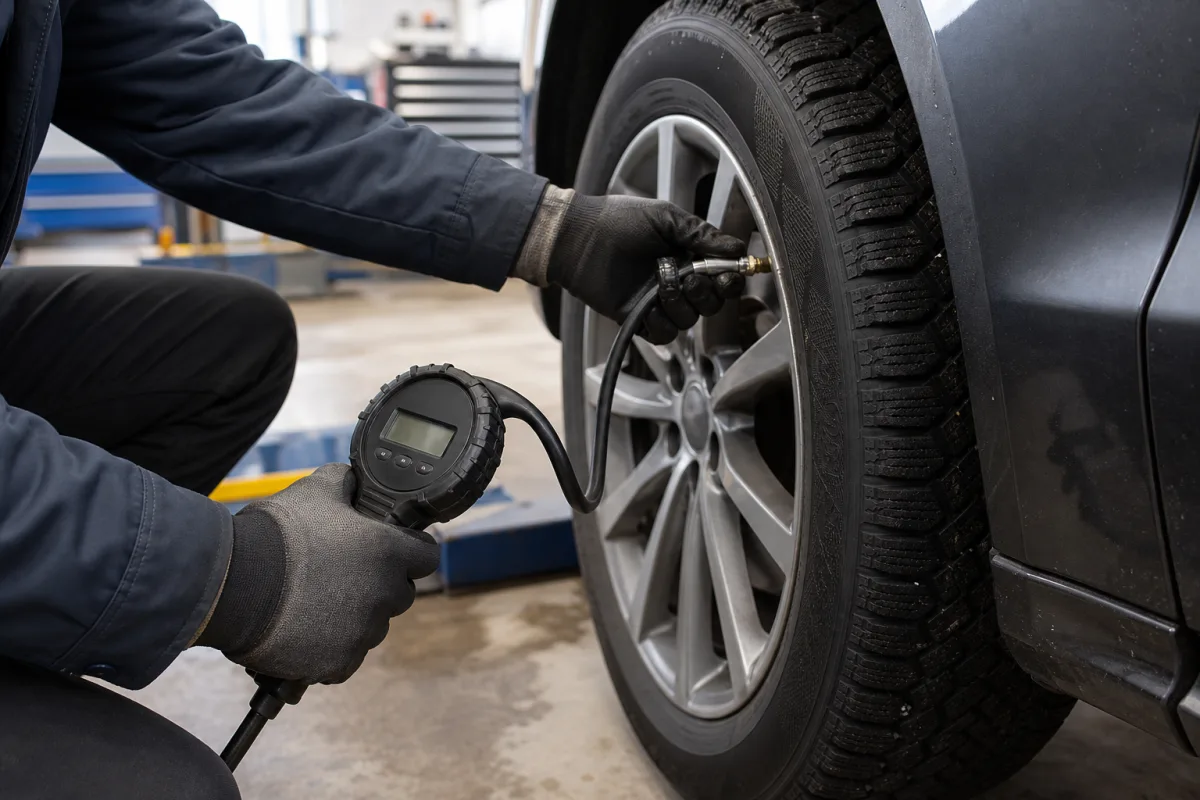
Regular pressure checks help maintain traction, even wear, and fuel economy as winter temperatures fluctuate
10. Exhaust System Inspection
An exhaust leak can allow dangerous gases into or around the vehicle. Arrange inspection if you notice a new exhaust odor or noise, visible damage or an exhaust warning; never idle a vehicle in an enclosed space.
Chicago-Specific Winter Driving Challenges
Chicago drivers may encounter heavy snow, extreme cold, road salt and rapid weather changes:
Lake Effect Snow
Snow can develop quickly and reduce visibility. Check the current forecast and road conditions, allow more time and postpone travel when conditions exceed your vehicle or driving comfort.
Polar Vortex Conditions
Extreme cold tests the battery, starting system, fluids and rubber components. Vehicle-specific preparation may reduce breakdown risk, but it cannot guarantee trouble-free operation.
Salt and Corrosion
Road salt can accelerate corrosion on exposed metal. Follow the vehicle maker's cleaning guidance and have visible corrosion, damaged coatings or affected brake and exhaust components inspected.
Emergency Winter Kit Essentials
Every Chicago driver should maintain a comprehensive winter emergency kit:
- Basic tools: Ice scraper, snow brush, shovel
- Traction aids: Bag of sand, cat litter, or traction mats
- Emergency supplies: Flashlight, extra batteries, blankets
- Communication: Fully charged phone, car charger
- Sustenance: Water, non-perishable snacks
- First aid kit: Including any personal medications
- Jumper cables: For cold-weather battery issues
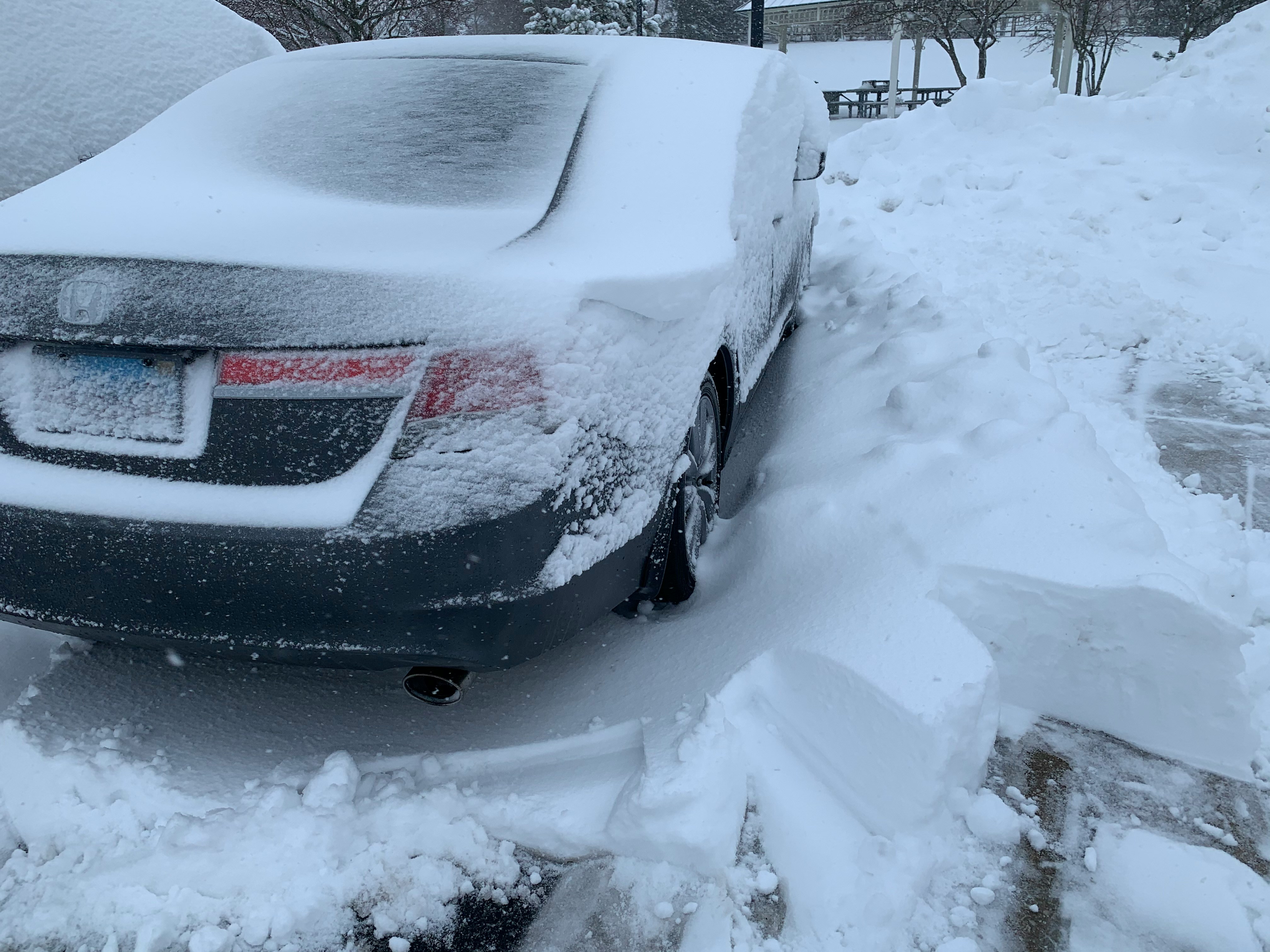
A winter emergency kit can help if heavy snow delays travel or roadside assistance.
Signs Your Vehicle Needs Winter Attention
Don't wait for problems to develop. Watch for these warning signs that indicate winter preparation is needed:
- Engine struggles to start in cold weather
- Heater takes longer than usual to warm up
- Windows fog up excessively
- Unusual noises from belts or pulleys when cold
- Steering feels sluggish in cold temperatures
- Battery warning lights or electrical issues
Cost-Effective Winter Preparation Strategy
Winter preparation doesn't have to break the bank. Smart Chicago drivers follow this cost-effective approach:
Start Early
Review the checklist before sustained freezing weather so there is time to address vehicle-specific findings.
Bundle Services
Ask whether several needed checks can be handled in one visit. Combining inspections reduces repeat trips and helps technicians evaluate how the vehicle's winter-critical systems work together.
Prioritize Safety Items
Address symptoms that affect braking, steering, visibility, tire integrity or reliable starting first, using the owner's manual and inspection findings to set priorities.
Why Choose Professional Winter Preparation?
Some checklist items can be reviewed at home, while others require vehicle-specific testing. Ask what an inspection covers, what equipment is needed and whether diagnostic charges apply.
Cold, road salt, potholes and short trips affect vehicles differently. Follow the owner's manual and use inspection findings to prioritize winter maintenance.
Preparation cannot remove winter-driving risk, but it can help identify service needs before severe weather arrives.
Get Your Car Winter-Ready at SSS Auto Repair!
Call to discuss a vehicle-specific winter inspection, its scope, applicable charges and current scheduling before approving work.
Schedule Winter Prep ServiceCall us at (773) 472-4444 or visit our shop at 2815 N Sheffield Ave, Chicago, IL 60657-5003